
Morton’s journey: From League in the UK to Union in Rose Bay
Updated: May 8

By Angus Hayman
Gareth Morton’s rugby story is anything but conventional, and it is that unique pathway that continues to shape the way he coaches today.
Born in Scotland before moving to England as a child, Morton grew up in Widnes, a town steeped in rugby league tradition. Like many kids in the area, he was drawn to the game early, inspired by watching top-level players in his local team.
That passion quickly turned into opportunity. Morton signed with Leeds as a teenager and debuted in first grade before his 17th birthday, fully immersed in the professional rugby league system from a young age.
But despite his success in rugby league, there was always another ambition in the background.
Having grown up proud of his Scottish heritage, Morton had long dreamed of representing Scotland in rugby union. When the opportunity arose to meet with Scotland coach Ian McGeechan during a period when rugby union was actively recruiting league talent, he made the call to switch codes at just 19.
It was a leap into the unknown.
“I went into that with very little rugby union knowledge,” Morton admitted. “It wasn’t at the level I was about to walk into.”
That willingness to learn on the run would become a defining trait.
After stints in Europe and representing Scotland in rugby league, Morton eventually made his way to Australia, initially planning a short playing stint. Instead, he found something more permanent.
A move to Sydney in 2009 led to two seasons at Southern Districts, where he met his now wife and ultimately decided to stay. When his playing career wrapped up, coaching quickly became the next chapter.
Starting at Scots College, Morton built his craft from the ground up, often coaching multiple sessions a day. It was there he began to develop the foundations of his coaching philosophy before an opportunity arose at Eastern Suburbs.
Under ex Waratahs coach Darren Coleman, Morton was brought into the club through the sevens program before stepping into a first grade defence coaching role. It was a baptism of fire, but one that proved invaluable.
“Learning defence first helped everything,” he said. “It gave me an understanding of what teams are trying to do, where the weaknesses are and how to exploit them.”
From there, Morton continued to rise through the ranks, taking on roles across grades and eventually working closely with the club’s senior programs. That journey now places him at the helm of a Colts system carrying both expectation and depth.
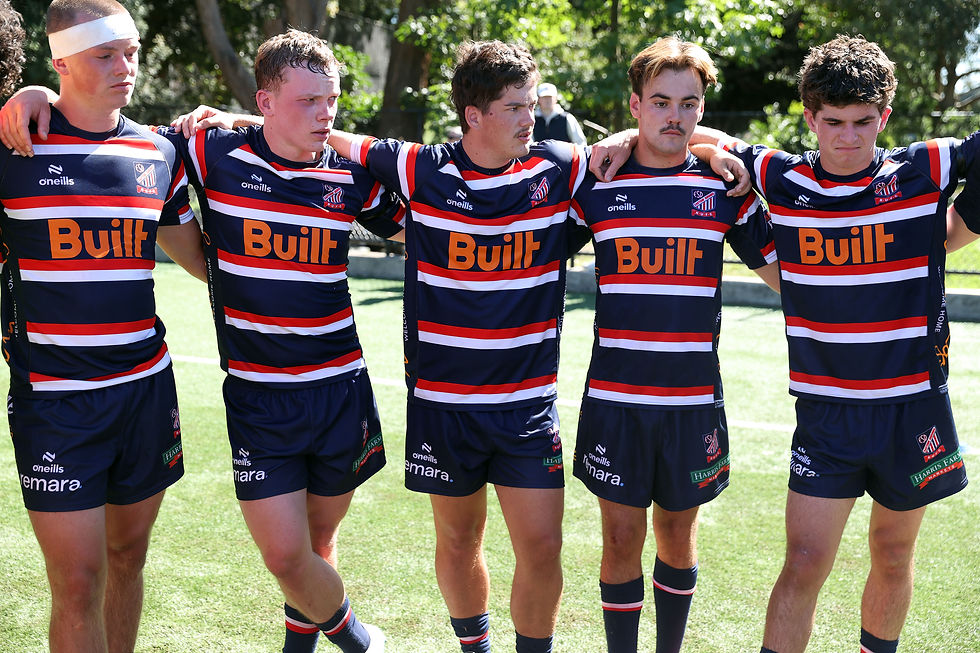
Heading into 2026, Morton believes the Easts Colts group is strong, even with several players unavailable due to national duties.
On paper, the squad boasts a healthy mix of experience and emerging talent, including a core of second-year players ready to step up. While the absence of Junior Wallabies squad members presents challenges, Morton sees it as an opportunity rather than a setback.
“It gives other boys a chance to grow and prove themselves,” he said. “When those players come back, it should be hard to push these guys out.”
That internal competition reflects a broader philosophy.
Morton is not interested in holding players back if they are ready for higher honours, instead prioritising development and progression through the grades.
In terms of style, Easts Colts are set to play a fast, disciplined brand of rugby, balancing structure with freedom.
Morton is keen to preserve the natural instincts of his players while instilling an understanding of pressure and game management.
“A fast, expansive game is what we want,” he said. “But it is also about knowing when that is required and staying disciplined.”
Among those to watch this season, back rower Arthur Grey has already impressed with his leadership and consistency, while young halfback Flynn Farrell looms as an exciting prospect after a strong preseason.

Morton is also a strong advocate for the value of three-year Colts, highlighting their importance in building cohesion and experience within the squad.
Despite the talent at his disposal, Morton is not looking externally when it comes to identifying the biggest challenge this season.
Instead, the focus is internal.
“The bullseye is on ourselves,” he said. “We want to compete against ourselves each week and find the best version of our team.”
It is a mindset shaped by both experience and perspective, one that reflects Easts’ rise as a destination club in recent years.
With that comes expectation, and Morton is embracing it.
“Teams enjoy beating Easts now. That is something we have to handle and enjoy.”
If round one was anything to go by, the group is already responding.
Enjoyed this story? Come and be part of the Easts community in Rose Bay. Get involved or become a member today.


Comments